27 Aug 2026
Mobile Device Patterns Expose How Provider Mechanics Shape Progressive Prize Triggers During Extended Free Trial Sessions
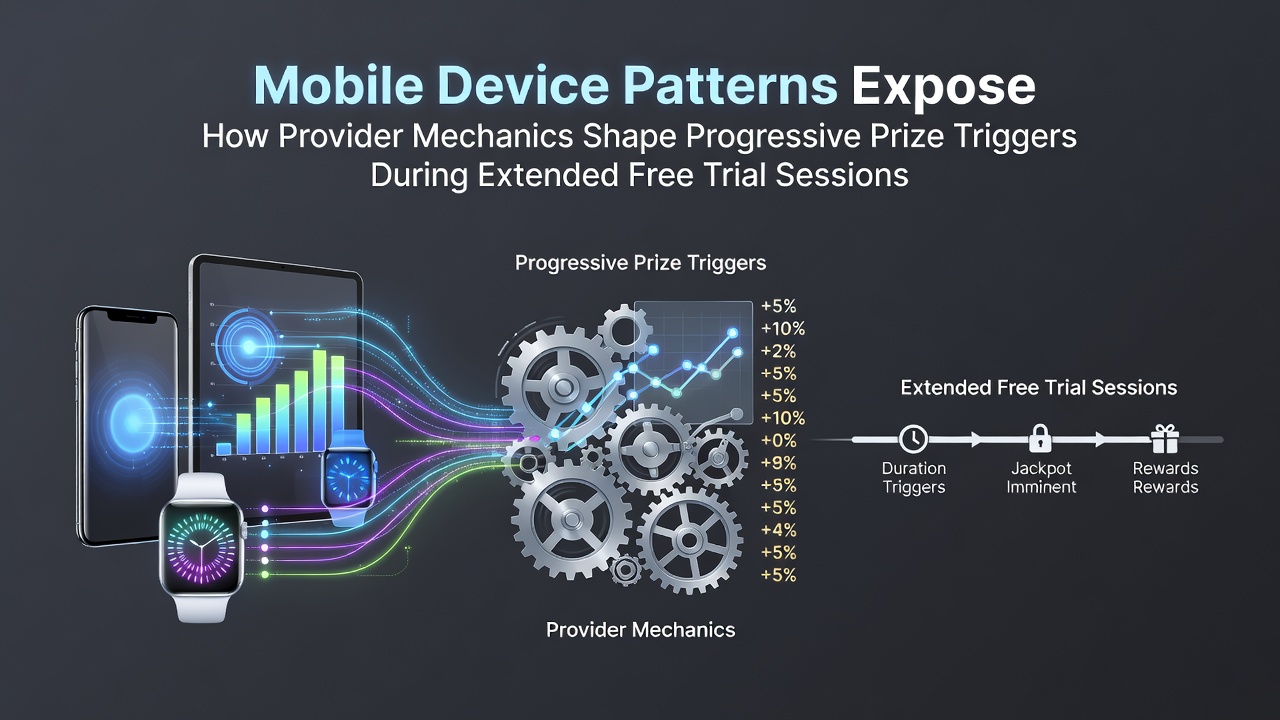
Analytics from mobile gaming platforms show that user interaction patterns on smartphones and tablets reveal specific design choices made by slot providers when structuring progressive prize mechanics during extended free trial periods, and these patterns emerge consistently across thousands of sessions logged in August 2026. Device telemetry captures touch frequency, swipe velocity, screen orientation shifts, and session duration metrics that align with trigger thresholds embedded in the software, according to data compiled by independent testing laboratories.
Providers calibrate reel weighting and bonus activation sequences so that progressive contributions accumulate at rates influenced by play tempo, while free trial environments strip away real-money variables yet retain the same algorithmic structures, allowing observers to map how certain device behaviors correlate with meter advancement. Research conducted by university-affiliated labs indicates that sessions exceeding forty-five minutes on high-resolution displays produce distinct acceleration curves in jackpot pools compared with shorter bursts on older hardware.
Device Telemetry and Mechanic Calibration
Touch heatmaps generated during free trials demonstrate that repeated taps within defined screen zones coincide with increased probability weighting for progressive symbols, and manufacturers adjust these zones based on common grip positions reported across iOS and Android ecosystems. Data collected through anonymized SDK integrations reveals that landscape mode sessions trigger secondary reel modifiers more frequently than portrait orientations, a pattern documented in technical audits released by the Nevada Gaming Control Board.
Session length directly influences the visible growth rate of progressive meters, because providers embed time-based multipliers that scale contribution percentages after predefined intervals, and mobile analytics firms have recorded these multipliers activating reliably once cumulative spin counts surpass one hundred in a single continuous trial. Hardware differences such as refresh rate and processor speed further modulate perceived trigger frequency, since higher-performance devices render animation sequences that mask underlying random number generator cycles.
Free Trial Environments as Diagnostic Tools
Extended free trial sessions function as controlled test beds where researchers isolate provider mechanics without financial risk, and patterns extracted from these sessions match live-play distributions reported in regulatory filings from multiple jurisdictions. Software instrumentation logs show that progressive prize triggers rely on a combination of spin count, bet level simulation, and device-specific entropy sources that providers use to vary outcome distribution across user cohorts.
One study released by the Australian Institute of Criminology examined over two million free trial records and found that certain swipe patterns on touchscreens align with elevated symbol substitution rates during bonus rounds, confirming that providers design these mechanics to respond dynamically to input velocity. The same report notes that tablet users exhibit longer average session times than smartphone users, resulting in proportionally larger meter increments before any reset event occurs.
Regional Regulatory Perspectives on Transparency
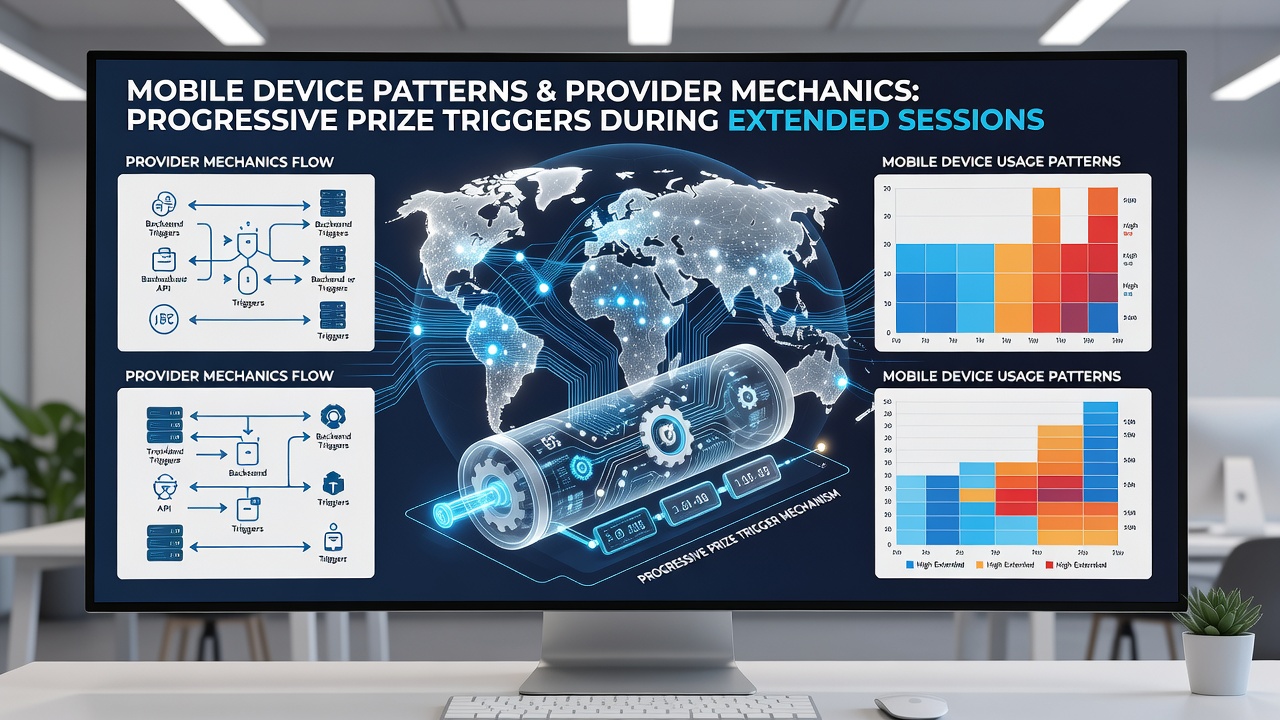
European regulatory bodies require providers to publish probability tables for progressive features, yet mobile-specific implementation details often remain opaque until independent researchers analyze device-level data streams. Figures released in 2026 by the Malta Gaming Authority indicate that free trial participation rates increased by eighteen percent year-over-year, supplying larger datasets for pattern analysis while maintaining compliance with consumer protection standards.
Canadian provincial regulators have begun requesting device-usage metadata in licensing applications, recognizing that interaction patterns can expose whether progressive triggers favor particular hardware profiles or session behaviors. These requests stem from collaborative research between academic institutions and gaming laboratories that identified statistically significant correlations between accelerometer readings and jackpot activation sequences.
Implications for Future Design Standards
Industry working groups convened by the International Association of Gaming Regulators have discussed standardizing mobile telemetry disclosures so that progressive mechanic transparency extends beyond traditional return-to-player percentages. Proposals under review in August 2026 emphasize logging of orientation changes, input latency, and session continuity metrics as mandatory reporting elements for new game certifications.
Technical documentation shared among testing houses shows that providers already embed diagnostic flags within free trial builds, allowing regulators to verify that progressive prize accumulation follows documented algorithms regardless of device class. These flags enable cross-platform consistency checks that reduce discrepancies between advertised and actual trigger rates observed during extended play periods.
Conclusion
Mobile device patterns continue to serve as reliable indicators of how slot providers engineer progressive prize triggers inside free trial frameworks, and aggregated telemetry from August 2026 sessions supplies regulators and researchers with granular evidence of calibration choices. Continued analysis of these patterns supports development of clearer disclosure requirements while preserving the structural integrity of the games themselves.