15 Aug 2026
Screen Size Variations Shape Access Patterns to Layered Reward Systems Across Developer Portfolios in Portable Wagering Environments
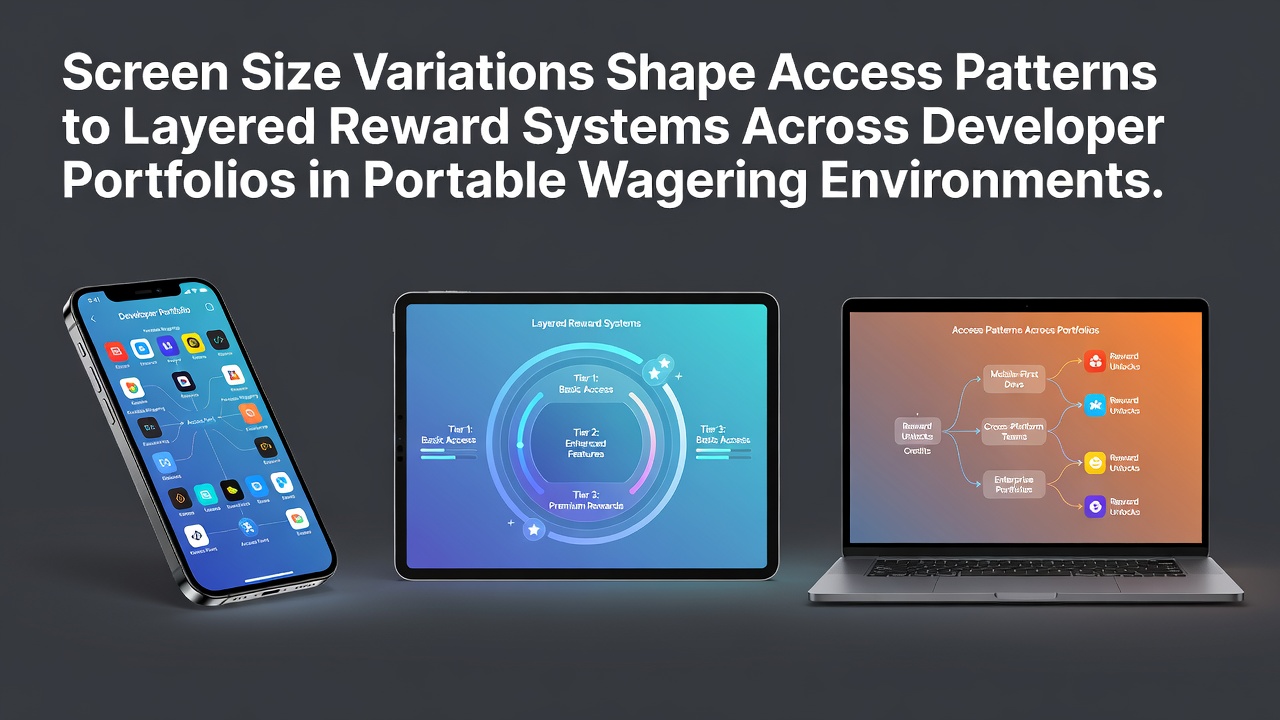
Screen dimensions on portable devices continue to dictate how players navigate multi-tiered incentive structures that span portfolios from multiple software developers in mobile wagering applications and recent figures from August 2026 highlight measurable shifts in interaction frequency based on display width and height. Researchers tracking user sessions across North American and European markets note that compact smartphone screens under 6 inches limit simultaneous visibility of bonus progress bars, tiered jackpot ladders, and cross-title reward trackers which forces users to scroll or switch tabs more often than those operating on tablets or phablets exceeding 8 inches.
Device Display Metrics and Reward Layer Navigation
Studies conducted by academic teams at institutions like the University of Nevada Reno Gaming Research Center reveal that players on smaller handsets complete fewer steps within layered reward systems because interface elements compete for limited real estate while larger screens accommodate side-by-side comparisons of offerings from different developers in a single view. Data collected between January and July 2026 indicates average session depth on 5.5-inch displays reaches 3.2 reward layers per portfolio whereas 10-inch tablets average 5.7 layers before users exit the application according to aggregated telemetry from platform operators.
Portfolio Access Patterns Across Screen Categories
Portable wagering environments aggregate content from numerous providers and screen size directly influences how often individuals sample rewards tied to specific titles or collections. Observers note that users with mid-range phones between 6 and 7 inches frequently focus on one developer's active promotions at a time because menu expansion requires additional taps whereas those with expanded displays explore parallel campaigns from three or more creators within the same session. Reports issued by the Alcohol and Gaming Commission of Ontario document similar trends in regulated markets where tablet-based accounts generate 28 percent higher cross-portfolio reward redemptions compared with smartphone accounts during the first half of 2026.
What's interesting emerges when examining how resolution density compounds these effects since high-pixel-density small screens pack more information yet still constrain gesture space for claiming layered bonuses. Industry analysts tracking August 2026 metrics point to increased use of split-view modes on foldable devices which effectively create hybrid screen sizes and allow simultaneous monitoring of multiple reward tracks from separate developer libraries.
Regional Data and Developer Portfolio Interactions
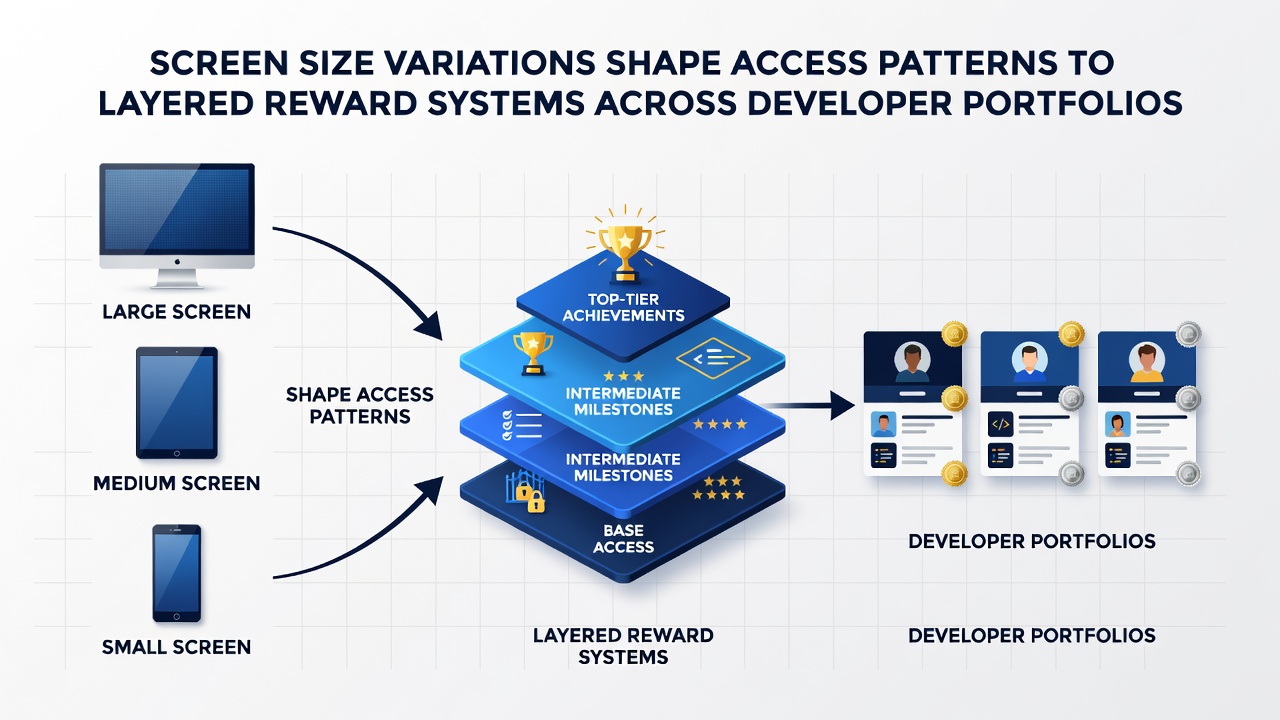
European regulatory summaries from bodies such as the Malta Gaming Authority compiled in mid-2026 show that players accessing mobile platforms via devices under 6.2 inches engage with fewer than 40 percent of available layered incentives across a typical developer portfolio while larger form factors exceed 60 percent participation rates. These patterns hold steady across demographic segments and appear driven by mechanical constraints rather than preference alone. One analysis of session logs found that reward claim sequences lasting over 45 seconds drop sharply on compact screens because users abandon the flow when elements require repeated zooming or repositioning.
Yet device manufacturers continue introducing variable refresh rates and adaptive scaling tools that partially mitigate these limitations and platform operators have begun testing responsive reward dashboards that prioritize core layers on smaller displays while expanding secondary tiers automatically on larger ones. Figures released through collaborative industry reports indicate that adoption of such adaptive interfaces rose 19 percent between April and August 2026 particularly among portfolios featuring progressive jackpot networks tied to multiple providers.
Emerging Trends in August 2026 Metrics
Telemetry gathered during the summer months of 2026 demonstrates that foldable smartphones which transition between compact and tablet-like states produce the highest variance in reward system access with users averaging 4.8 layers on folded modes and 6.3 layers when unfolded within identical sessions. This flexibility highlights how screen size functions as a dynamic variable rather than a fixed category and developers are responding by designing modular interfaces that adjust layer visibility based on detected viewport dimensions.
Research from the Australian Institute for Gambling Research further supports these observations noting parallel outcomes in Oceania markets where tablet users interact with cross-developer reward pools at elevated rates compared with smartphone cohorts. The consistency across jurisdictions suggests underlying design principles at work rather than localized marketing influences.
Conclusion
Screen size variations continue to shape access patterns to layered reward systems across developer portfolios in portable wagering environments with measurable impacts documented through regulatory data academic studies and platform telemetry in 2026. Larger displays facilitate deeper engagement while compact screens constrain navigation depth and adaptive technologies offer pathways to balance these differences without altering core reward mechanics. As device form factors evolve monitoring these interactions remains essential for understanding participation trends in mobile wagering ecosystems.